The Enduring Appeal of “The Three Little Pigs” in PDF Format
Today, January 27, 2026, numerous online resources offer free PDF downloads of this classic tale, showcasing its continued relevance and accessibility for all ages․
Digital versions, like those found on various websites, provide convenient access to the story of the three little pigs, ensuring its preservation and widespread enjoyment․
The availability of PDF formats allows educators and parents to easily share and utilize this beloved narrative for literacy and educational purposes, fostering a love for reading․
Historical Context of the Tale
The origins of “The Three Little Pigs” are deeply rooted in folklore, tracing back centuries before its widespread publication and digital availability as a PDF․ While pinpointing a precise origin is challenging, variations of the story appear in oral traditions across different cultures, suggesting a long history of transmission․
Early versions, predating the commonly known narrative, often served as cautionary tales, emphasizing the importance of hard work and preparedness․ These stories weren’t necessarily focused on pigs; instead, they featured various animals or even humans facing similar predicaments․ The tale’s evolution reflects societal values and anxieties of the time, highlighting the need for secure shelter and resilience against external threats․
The 19th century saw the emergence of printed versions, solidifying the story’s structure and characters․ The widespread availability of PDF versions today allows for easy access to these historical iterations, enabling comparative analysis and a deeper understanding of the tale’s development․ The story’s enduring appeal lies in its simple yet powerful message, resonating across generations and continuing to be shared in both traditional and digital formats․
Origins and Early Versions
Tracing the origins of “The Three Little Pigs” reveals a fascinating evolution from oral tradition to widely available PDF format․ Early iterations weren’t always about pigs; tales of resourceful creatures outsmarting predators existed across various cultures long before the 19th century․
These early versions often lacked the specific details we associate with the modern story․ Instead, they focused on the core theme: the consequences of laziness versus diligence․ The building of homes represented preparation and foresight, while the wolf symbolized unavoidable challenges․ The story’s adaptability allowed it to resonate with diverse audiences․
Printed versions began appearing in the 1800s, gradually solidifying the narrative․ The accessibility of PDF downloads today allows researchers and enthusiasts to compare these early printed texts, noting variations in plot and characterization․ These early forms demonstrate the story’s organic growth, ultimately leading to the beloved tale we recognize and readily access in digital form․
Variations Across Cultures
“The Three Little Pigs” isn’t uniquely Western; similar narratives exist globally, often adapted to reflect local fauna and cultural values․ While readily available in PDF format worldwide, the story’s core message transcends geographical boundaries․
In some cultures, the pigs are replaced by other animals – rabbits, kittens, or even children – facing a different predator․ The building materials also vary; instead of straw, sticks, and bricks, one might find homes constructed from reeds, mud, or stone․ These adaptations demonstrate the story’s universal appeal and its ability to resonate with diverse audiences․
Interestingly, the moral lessons remain consistent: hard work and planning lead to security, while shortcuts can have dire consequences․ The ease of sharing these cultural variations as PDF documents fosters cross-cultural understanding and appreciation for storytelling traditions․ Examining these differences enriches our understanding of the tale’s enduring power․
Understanding the “Three Little Pigs” Story
PDF versions readily present the classic narrative, detailing each pig’s house-building choices and the wolf’s attempts at destruction, offering a clear storyline for readers․
The Core Narrative: A Summary
The story centers around three little pigs leaving their mother to seek their fortunes․ Each pig independently decides to build a house, showcasing varying levels of diligence and foresight․ The first pig hastily constructs a house of straw, the second builds with sticks, and the third diligently builds a sturdy house of bricks․
A cunning wolf appears, intent on devouring the pigs․ He easily blows down the straw and stick houses, forcing the first two pigs to flee to their brother’s brick house․ The wolf’s repeated attempts to destroy the brick house fail, demonstrating the importance of hard work and planning․
PDF versions of the tale faithfully reproduce this sequence of events, often with accompanying illustrations․ Some PDFs include the wolf’s ultimate demise – falling down the chimney into a pot of boiling water, where he is cooked and eaten by the clever third pig․ This classic narrative, easily accessible through PDF downloads, continues to captivate audiences with its simple yet powerful message․
Character Analysis: The Pigs
The three little pigs represent distinct approaches to life․ The first pig embodies laziness and impulsivity, prioritizing speed over security, as evidenced by his straw house․ He symbolizes a lack of foresight and a willingness to take shortcuts․ The second pig demonstrates slightly more effort, building with sticks, but still lacks the dedication for true safety․
PDF versions of the story consistently portray these differences through narrative and illustration․ The third pig, however, stands as a symbol of diligence, perseverance, and responsible planning․ His brick house represents the rewards of hard work and careful consideration․
Analyzing the pigs within a PDF format allows for focused study of their contrasting personalities․ While the first two pigs suffer consequences for their choices, the third pig’s success reinforces the moral of the story․ PDFs often highlight this contrast, making it a valuable tool for character analysis and discussion․
Character Analysis: The Wolf
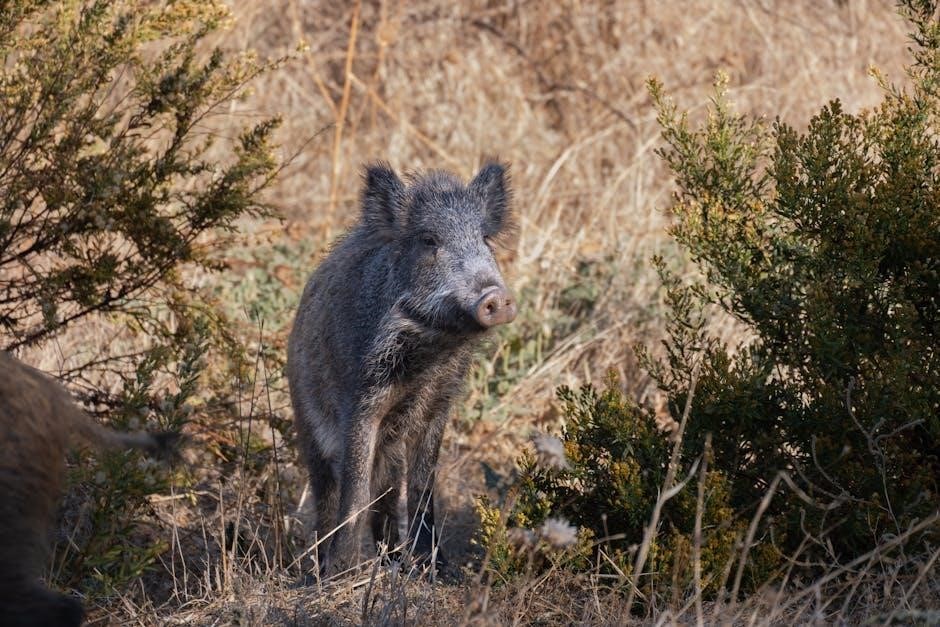
The wolf in “The Three Little Pigs” is traditionally depicted as a menacing antagonist, embodying predatory behavior and relentless determination․ He represents a force of chaos and danger, testing the pigs’ preparedness and resilience․ PDF versions of the tale consistently portray him as a formidable threat, often through vivid descriptions and illustrations․
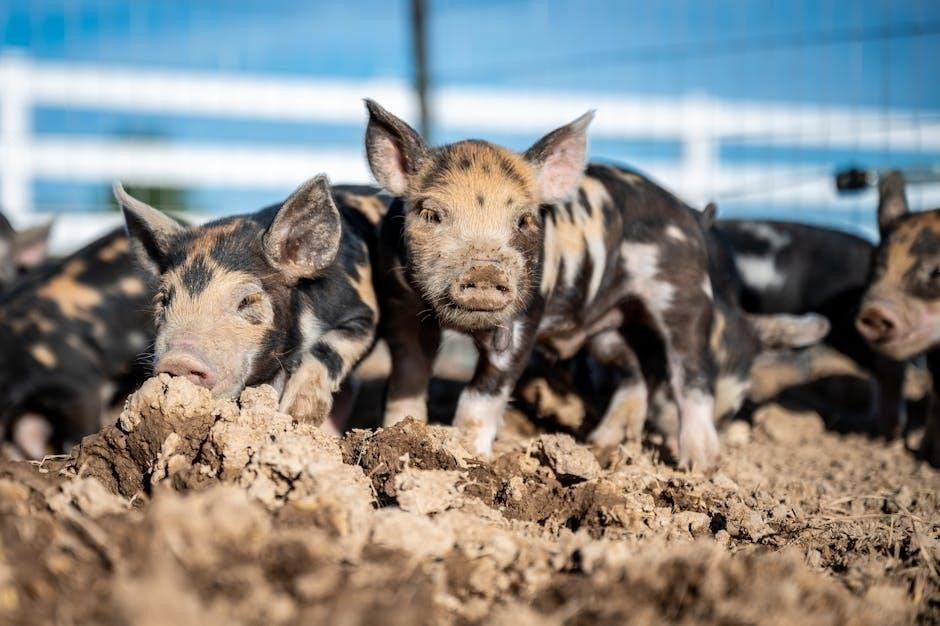
Analyzing the wolf within a PDF context reveals his role as a catalyst for the story’s central conflict․ His repeated attempts to blow down the houses highlight his persistence, but also his ultimate failure against solid construction․ The wolf’s eventual demise, often depicted in detail within PDF adaptations, serves as a cautionary tale․
PDFs allow for close examination of the wolf’s motivations, though they are typically presented as purely destructive․ He embodies a lack of empathy and a disregard for the pigs’ well-being, solidifying his position as the story’s villain․ His character reinforces the importance of self-reliance and preparedness․
Symbolism in the Story
“The Three Little Pigs,” readily available in PDF format, is rich with symbolism extending beyond a simple cautionary tale․ The pigs themselves represent different approaches to life – impulsiveness, complacency, and diligence․ The houses symbolize the consequences of these choices; straw and sticks embody shortcuts leading to vulnerability, while brick signifies hard work and security․
PDF versions often visually emphasize these symbols․ The wolf, a recurring figure in folklore, embodies destructive forces and potential dangers․ His huffing and puffing symbolize relentless challenges life throws our way․ Overcoming these challenges, as the third pig does, represents resilience and the rewards of foresight․
Analyzing the story through a PDF lens reveals how the narrative promotes the value of planning and perseverance․ The brick house isn’t merely a shelter; it’s a symbol of a well-built future․ The story, easily accessible in PDF form, continues to resonate because its symbolic layers offer enduring life lessons for readers of all ages․
“The Three Little Pigs” as a PDF Resource
PDF versions of “The Three Little Pigs” offer convenient, free access to this timeless story, readily downloadable from numerous websites for instant enjoyment and educational use․
Availability of Free PDF Downloads
Numerous online platforms currently host free PDF downloads of “The Three Little Pigs,” making the story incredibly accessible to a global audience․ Websites dedicated to children’s literature, educational resources, and free ebook distribution frequently feature this classic tale in PDF format․
A quick internet search reveals options ranging from simple, text-only versions to beautifully illustrated PDFs suitable for young readers․ Platforms like Internet Archive, Storynory, and various educational websites offer downloadable copies, often without requiring registration․ Flip PDF also hosts versions, allowing for a flipbook-style reading experience before downloading․
These free PDF resources are particularly valuable for parents, educators, and librarians seeking affordable and readily available materials for story time, classroom activities, or personal reading․ The ease of download and printing further enhances their utility, allowing for physical copies to be created and shared․ The widespread availability ensures the story remains a cherished part of childhood for generations to come․
Benefits of Using a PDF Version
Utilizing a PDF version of “The Three Little Pigs” offers several distinct advantages․ Portability is key; PDFs can be easily stored on various devices – computers, tablets, smartphones – allowing access to the story anytime, anywhere․ This is especially beneficial for travel or reading on the go․
PDFs preserve formatting, ensuring the story appears as intended, regardless of the device used․ They also often support features like zoom, enabling comfortable reading for individuals with visual impairments․ Furthermore, PDFs are easily printable, providing a tangible copy for activities like coloring or crafts․
For educators, PDFs facilitate easy sharing with students and parents․ They can be integrated into digital lesson plans or distributed via email․ The format’s stability also ensures consistent presentation during classroom readings or assignments․ Ultimately, the convenience, accessibility, and preservation qualities of a PDF enhance the overall reading experience of this timeless fable․
Popular Websites Offering the PDF
Numerous online platforms readily provide free PDF downloads of “The Three Little Pigs․” Websites specializing in children’s literature, such as Storynory and Free Children’s Stories, frequently host digital versions of this classic tale․ Gill Education also offers accessible PDFs, particularly those designed for early literacy programs like their ‘Word Wizard’ series․
FlipPDF showcases various flipbook adaptations that can be downloaded as PDFs, offering a visually engaging experience․ General document-sharing sites like Scribd and PDF24 also contain multiple versions, though users should verify the source and quality․ Educational resource websites, often geared towards teachers, frequently include “The Three Little Pigs” in their downloadable materials․
A quick internet search for “Three Little Pigs PDF download” reveals a wealth of options, but caution is advised to ensure downloads originate from reputable sources to avoid potential security risks․ Always prioritize websites known for providing safe and reliable content․
Educational Applications of the PDF
PDF versions of “The Three Little Pigs” are invaluable tools for early literacy, vocabulary building, and exploring crucial moral lessons with young learners․
Teachers utilize these resources to foster reading comprehension and spark engaging discussions about responsibility and problem-solving․
Using the PDF for Early Literacy
PDF versions of “The Three Little Pigs” are exceptionally beneficial for introducing young children to the joys of reading and developing foundational literacy skills․
The simple narrative structure, repetitive phrases (“I’ll huff, and I’ll puff, and I’ll blow your house down!”), and clear character roles make it ideal for emergent readers․
Educators can leverage the PDF format to print copies for individual students, facilitating shared reading experiences and allowing children to follow along with the text․
Highlighting key words, such as “straw,” “sticks,” and “bricks,” within the PDF can aid in vocabulary acquisition and comprehension․
Furthermore, the story’s predictable nature encourages children to anticipate what happens next, boosting their confidence and fostering a positive association with reading․
The readily available PDFs, often including illustrations, enhance engagement and make learning a delightful experience for early learners․
Vocabulary Building with “The Three Little Pigs”
Utilizing the PDF version of “The Three Little Pigs” presents a fantastic opportunity to expand a child’s vocabulary in a contextually rich and engaging manner․
The story introduces several concrete nouns – straw, sticks, bricks, house, wolf, pigs – providing a solid foundation for early vocabulary development․
Educators and parents can create vocabulary lists from the PDF text, focusing on action verbs like huffed, puffed, blew, ran, built, and descriptive adjectives like big, bad, strong․
Interactive exercises, such as matching words to pictures found within the PDF’s illustrations, can reinforce learning and improve retention․
Discussing synonyms and antonyms related to key vocabulary words – for example, strong versus weak – further deepens understanding․
The repetitive nature of the story, easily accessible in the PDF format, allows children to encounter these words multiple times, solidifying their grasp of new terms․
Moral Lessons and Discussion Points
The PDF version of “The Three Little Pigs” serves as an excellent springboard for discussing important life lessons with young children․
The story prominently highlights the value of hard work and preparation; the pig who built a brick house demonstrated foresight and diligence, ultimately ensuring his safety․
Discussions can center around the consequences of laziness and taking shortcuts, as exemplified by the first two pigs and their quickly-destroyed homes․
Using the readily available text within the PDF, educators can prompt children to consider the importance of planning and making responsible choices․
Exploring themes of bravery and resourcefulness – the third pig’s cleverness in outsmarting the wolf – encourages critical thinking and problem-solving skills․
The narrative also subtly touches upon the dangers of judging others based on appearances, prompting conversations about character and inner strength, all easily facilitated with the PDF resource․
Analyzing Different PDF Versions
PDF versions vary greatly, from simple text-only formats to richly illustrated editions designed for different age groups, impacting engagement and comprehension․
Accessibility features, like adjustable font sizes, are present in some PDFs, enhancing inclusivity for diverse learners and reading preferences․
Illustrated vs․ Text-Only PDFs
PDF versions of “The Three Little Pigs” present a clear dichotomy: richly illustrated editions versus straightforward, text-only formats․ Illustrated PDFs, often featuring vibrant depictions of the pigs, the wolf, and their respective houses, significantly enhance the reading experience, particularly for younger children․
These visuals aid comprehension, sparking imagination and making the story more engaging․ The images can help children visualize the narrative, understand character emotions, and grasp the sequence of events more effectively․ Conversely, text-only PDFs offer a minimalist approach, focusing solely on the written word․
While potentially less visually stimulating, they can be beneficial for older children or those who prefer to create their own mental imagery․ Text-only versions are also often smaller in file size and more accessible for individuals using screen readers or those with limited bandwidth․ The choice between the two depends largely on the intended audience and the desired learning outcome․
PDFs for Different Age Groups
PDF adaptations of “The Three Little Pigs” are thoughtfully tailored to suit various age groups, impacting both complexity and presentation․ For senior infants, as highlighted by Gill Education resources, PDFs often feature simplified language and repetitive phrases, aiding early literacy skills․
These versions frequently include larger font sizes and prominent illustrations to capture attention․ As children progress, PDFs for older age groups introduce more complex vocabulary and sentence structures, encouraging reading comprehension․ Some editions incorporate interactive elements or comprehension questions․
Furthermore, the length of the story can vary; shorter, abridged versions are ideal for preschoolers, while longer, more detailed accounts cater to elementary school students․ The availability of diverse PDFs ensures that the story remains accessible and engaging throughout a child’s developmental stages, fostering a lifelong love of reading․
Accessibility Features in PDFs
Modern PDF versions of “The Three Little Pigs” increasingly incorporate accessibility features to cater to diverse learning needs․ PDFs can be designed with tagged text, enabling screen readers to accurately interpret and vocalize the story for visually impaired individuals․
Adjustable font sizes and color contrast options are also common, benefiting readers with dyslexia or other visual sensitivities․ Interactive PDFs may include alternative text descriptions for images, providing context for those who cannot see them․
Furthermore, some PDF creators ensure keyboard navigability, allowing users to interact with the document without a mouse․ These features promote inclusivity, ensuring that all children can enjoy and benefit from this classic tale, regardless of their abilities․ The growing emphasis on accessibility reflects a commitment to equitable access to literacy resources․
The Future of “The Three Little Pigs” in Digital Formats
Interactive PDFs, e-book adaptations, and audiobook accompaniments are expanding the story’s reach, offering immersive experiences beyond traditional PDF downloads for all readers․
Interactive PDF Versions
Interactive PDF versions of “The Three Little Pigs” represent a significant evolution beyond static text and images, offering a dynamic reading experience for young learners․ These enhanced PDFs often incorporate clickable elements, allowing children to engage directly with the story․
For example, users might be able to tap on the wolf to hear a growl, or drag building materials to help the pigs construct their houses․ Some versions include simple animations, bringing the narrative to life with subtle movements and visual effects․ These features are designed to capture and maintain a child’s attention, fostering a more immersive and enjoyable reading session․
Furthermore, interactive PDFs can include embedded quizzes and games that test comprehension and reinforce key moral lessons․ These activities provide a fun and engaging way for children to demonstrate their understanding of the story, solidifying their learning․ The availability of these features transforms the PDF from a passive reading material into an active learning tool, enhancing its educational value․
E-book Adaptations
Beyond simple PDF downloads, “The Three Little Pigs” has seen numerous adaptations into dedicated e-book formats, expanding accessibility across various reading platforms․ These e-books often leverage the capabilities of e-readers and tablets, offering features not typically found in standard PDFs․
Many e-book versions include professional narration, transforming the story into an engaging audiobook experience․ Adjustable font sizes and styles cater to diverse reading preferences and visual needs, enhancing readability for all users․ Interactive elements, similar to those found in interactive PDFs, are also common, providing a more dynamic and immersive experience․
Furthermore, e-book platforms often offer integrated dictionaries and translation tools, supporting language learning and comprehension․ The convenience of accessing “The Three Little Pigs” on dedicated e-readers, with their long battery life and portable design, makes it an ideal choice for on-the-go reading, ensuring the tale remains readily available to a wide audience․
Audiobook Accompaniments
Complementing the availability of “The Three Little Pigs” in PDF and e-book formats, audiobook versions have become increasingly popular, offering a unique and engaging way to experience the classic tale․ These audiobooks often feature professional narrators and sound effects, bringing the story to life for listeners of all ages․
Many audiobook adaptations are available for direct purchase or streaming through popular audiobook platforms, providing convenient access on smartphones, tablets, and other devices․ The ability to listen to the story while multitasking – during commutes, chores, or bedtime – adds a layer of convenience not found in traditional reading formats․
Some audiobook versions are even paired with the PDF text, allowing listeners to follow along with the words as they are read aloud, enhancing comprehension and literacy skills․ This multi-sensory approach is particularly beneficial for young children and English language learners, solidifying their understanding of the narrative and vocabulary․